Youth Empowerment Drives Political Engagement in Nigeria
Young Nigerians are playing a growing role in Nigeria’s politics, using digital platforms and civic action to demand representation, accountability and policy change.
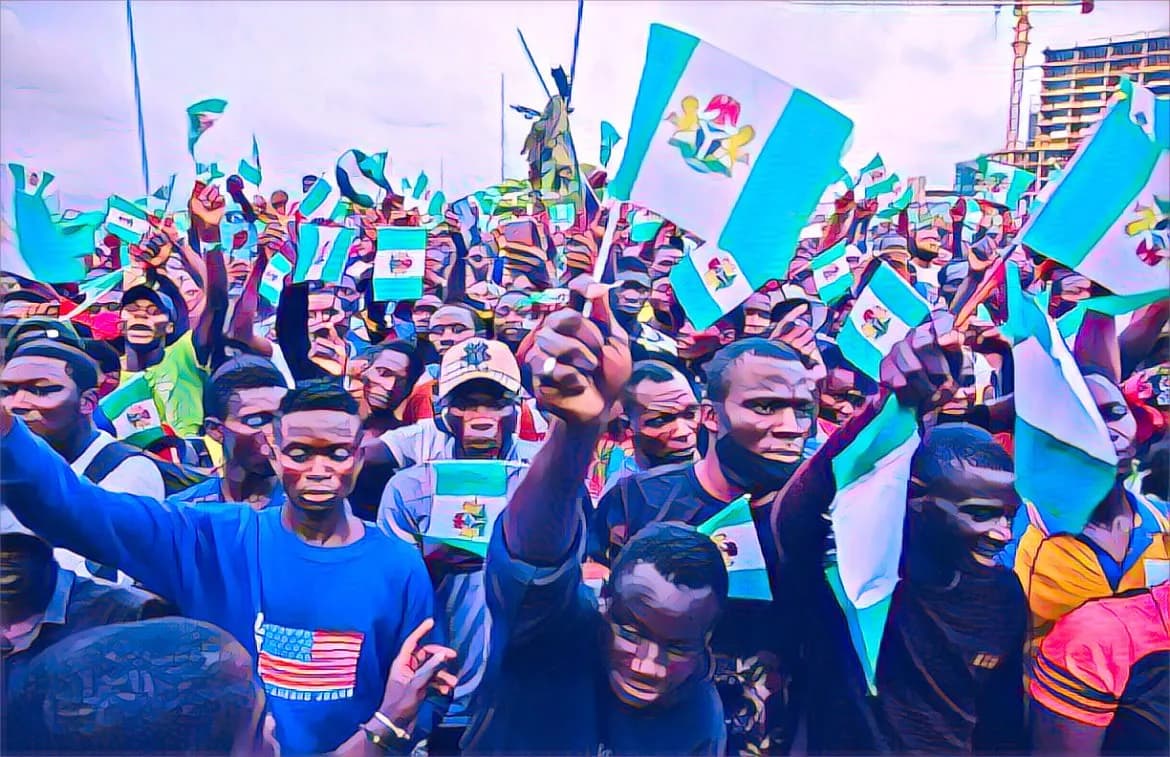
Young Nigerians were emerging as an increasingly influential force in the country’s political landscape ahead of the 2023 presidential election. Their growing participation reflected a desire to shape governance, influence public policy and demand greater representation in government.
Young people constitute a major demographic group in Nigeria, with more than 60% of the population reportedly under the age of 30. The African Liberty article also stated that Nigerians under 35 accounted for 39.65% of the country’s 93.47 million registered voters. However, the methodology and official basis for that figure were not provided in the available material.
The increased interest in politics was driven by several factors, including socioeconomic hardship, high unemployment, concerns about inadequate education and dissatisfaction with corruption and traditional political structures. Many young Nigerians were seeking alternatives and greater influence over decisions affecting their lives.
Digital technology created important channels for political discussion and mobilisation. Platforms such as Twitter, WhatsApp and Instagram enabled young people to share information, organise campaigns and advocate for change. Movements such as #EndSARS demonstrated the ability of young Nigerians to mobilise around issues including police brutality, accountability and governance.

Social media also brought risks, particularly the spread of misinformation. This made fact-checking and careful examination of candidates, party platforms and policy proposals essential for informed voting.
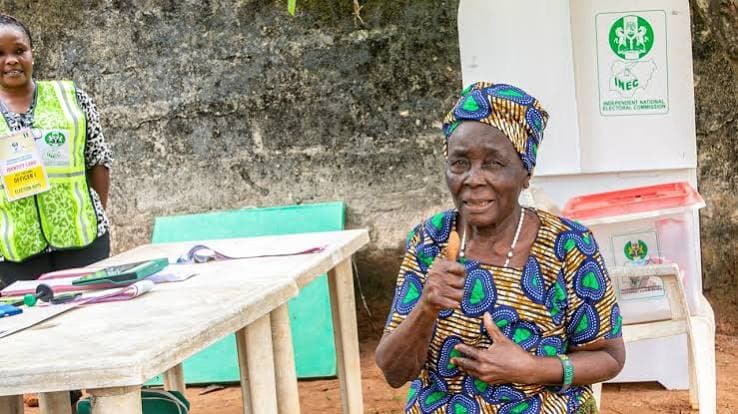
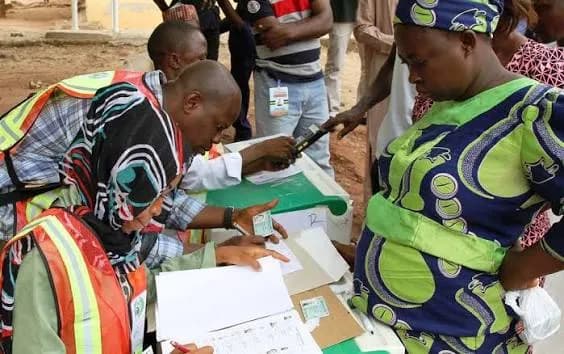
As voter-registration deadlines approached, civic groups worked to encourage young citizens, especially first-time voters, to register and participate in the electoral process. Initiatives such as the “Vote Not Fight” campaign focused on civic education and peaceful participation, while the Independent National Electoral Commission said it had introduced measures to simplify registration.
Research published later in the TWIST journal provided further insight into the obstacles facing young Nigerians. The study, published on 22 November 2024, was based on semi-structured interviews with 30 young people (18 males and 12 females) from different parts of Nigeria who were living in Lagos. Its authors, Chinedu O. Onyewuchi, Datuk Professor Dr Jayum Anak Jawan and Datuk Professor Dr Zaid Ahmad, identified socioeconomic hardship, low political awareness, disillusionment, limited access to political platforms and systemic corruption as major barriers.
The participants proposed improved civic education, social media mobilisation, youth-focused policies and mentorship within political organisations as ways to strengthen engagement. Other proposals from the sources include lower nomination fees, youth quotas in political parties, youth advisory councils, paid government fellowships and stronger legal and institutional protections for political participation.
Access to elected office remains a particular challenge. The African Liberty article reported that youth candidacy declined from 34% in 2019 to 28.6% in 2023, following a 2018 review of the 1999 Constitution intended to encourage younger people to contest elections. The source did not explain how “youth candidacy” was calculated or which age definition was used, so the figures require methodological clarification.
High nomination fees, the influence of political elites over party primaries and the importance of political connections can also limit young people’s chances of securing party tickets. The same article said the All Progressives Congress announced a lowest nomination and expression-of-interest fee of ₦20 million for the State House of Assembly after its 2026 national convention, while the presidential form cost ₦200 million. Those figures require confirmation from an official party source.
The emergence of younger candidates nevertheless reflected the generational shift. Individuals such as Seun Onigbinde, who was contesting for a National Assembly position, gained attention among voters dissatisfied with the status quo. Candidates appealing to young people often focused on job creation, education reform and affordable healthcare issues that directly affect a large part of the population.
Political violence, intimidation, limited resources and voter apathy remained serious concerns. Young people may become discouraged when their expectations are not met or when they believe political institutions do not respond to their concerns. Building trust, expanding access to political platforms and ensuring safe participation are therefore necessary to sustain their involvement.
Meaningful youth engagement could help shape policies on education, employment, gender equality, environmental sustainability and public health. It could also strengthen accountability and reduce apathy by giving young Nigerians a clearer stake in the political process.
The experience leading up to the 2023 election showed that political parties and candidates could no longer ignore younger voters. Their response through credible policies, accessible participation and communication channels that reach young Nigerians would help determine whether youth involvement translated into lasting influence over Nigeria’s leadership and governance.